Unveiling The Most Captivating Hottest Female Celebrities

Christopher Davis
Published Feb 06, 2026
Who are the hottest female celebrities? From Jennifer Lawrence to Scarlett Johansson, many A-list actresses have been crowned "Sexiest Woman Alive" by various magazines. But what does it mean to be a "hottest" celebrity female? And why does the media perpetuate this image of women?
There is no one answer to the question of who is the hottest female celebrity. Beauty is in the eye of the beholder, and what one person finds attractive, another may not. However, there are certain physical attributes that are often associated with beauty, such as a slim figure, clear skin, and symmetrical features. Many of the hottest female celebrities also have a strong personality and a confident demeanor.
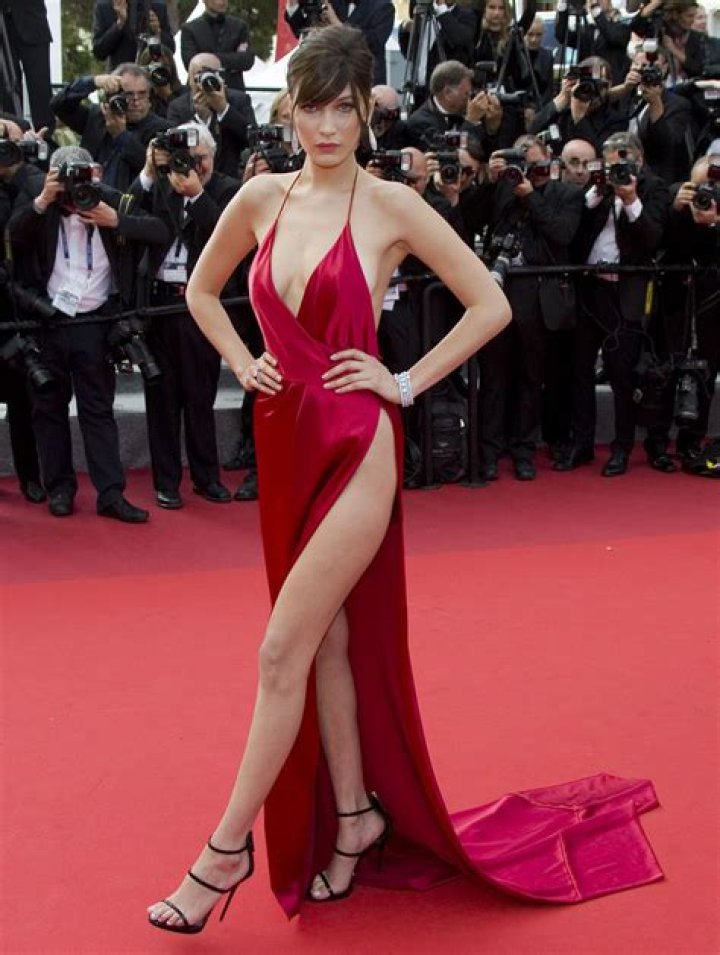
The media plays a significant role in perpetuating the image of the hottest female celebrity. Magazines, websites, and television shows often feature articles and images of these women, which can give the impression that they are the ideal standard of beauty. This can lead to unrealistic expectations for women and girls, who may feel pressure to conform to this unattainable ideal.
It is important to remember that the hottest female celebrity is just one type of beauty. There are many different types of beauty, and what is considered attractive varies from person to person. It is important to celebrate all types of beauty, and to not let the media's narrow definition of beauty dictate our own self-worth.
Celebrity Hottest Female
The term "celebrity hottest female" encompasses various aspects related to the physical attractiveness and desirability of women in the public eye. Here are seven key aspects that explore different dimensions of this topic:
- Physical Attributes: Refers to the conventionally attractive physical features associated with beauty, such as a slim figure, clear skin, and symmetrical features.
- Personality and Demeanor: Encompasses the charisma, confidence, and overall attitude that contribute to a woman's perceived attractiveness.
- Media Portrayal: Explores the role of media outlets in shaping and perpetuating the image of the "hottest female celebrity" through articles, images, and public appearances.
- Cultural Standards: Examines the influence of cultural norms and societal expectations on the definition of beauty and attractiveness for women.
- Subjectivity of Beauty: Emphasizes that beauty is subjective and varies based on individual preferences and cultural backgrounds.
- Diversity and Inclusivity: Highlights the importance of recognizing and celebrating diverse beauty standards and challenging narrow definitions of attractiveness.
- Body Positivity: Promotes a healthy and positive body image, encouraging acceptance and appreciation of all body types.
These aspects are interconnected and contribute to the complex phenomenon of "celebrity hottest female." The media's portrayal of these women can shape cultural standards of beauty, while personal qualities like confidence and charisma can enhance a woman's perceived attractiveness. Ultimately, the definition of a "hottest female celebrity" is subjective and subject to change over time and across cultures.
Physical Attributes
In the realm of celebrity hottest females, physical attributes play a significant role in shaping public perception and desirability. These attributes often align with societal standards of beauty, which have been influenced by cultural norms, media portrayals, and evolutionary psychology.
- Symmetry and Proportion: Symmetrical facial features and a balanced body shape are often considered aesthetically pleasing. Celebrities like Scarlett Johansson and Angelina Jolie exemplify these qualities, with their harmonious facial features and hourglass figures.
- Youthful Appearance: Clear skin, plump lips, and a youthful glow are associated with fertility and health. Actresses like Jennifer Lawrence and Emma Stone have consistently ranked high on lists of hottest female celebrities due to their fresh-faced and youthful appearance.
- Body Shape: A slim figure with a narrow waist and ample curves is often idealized in Western culture. Celebrities like Kim Kardashian and Beyonce have popularized this body type, showcasing it through social media and public appearances.
- Hair and Eyes: Long, flowing hair and large, expressive eyes are often seen as attractive features. Celebrities like Blake Lively and Megan Fox have captivating eyes and luscious hair that contribute to their overall desirability.
It's important to note that these physical attributes are not universally considered attractive, and beauty standards vary across cultures and time periods. However, in the context of "celebrity hottest female," they play a significant role in shaping public perception and desirability.
Personality and Demeanor
In the realm of celebrity hottest females, personality and demeanor play a crucial role in shaping public perception and desirability. Charisma, confidence, and a positive attitude can elevate a woman's attractiveness beyond her physical attributes.
Celebrities like Jennifer Aniston and Julia Roberts are known for their warm and approachable personalities. Their ability to connect with audiences on a personal level makes them relatable and endearing. Charismatic celebrities like Beyonce and Taylor Swift command attention with their stage presence and ability to engage fans. Their confidence and energy translate into a captivating aura that attracts admirers.
A positive and optimistic attitude can also enhance a woman's perceived attractiveness. Celebrities like Reese Witherspoon and Drew Barrymore exude a sense of joy and optimism that draws people to them. Their ability to maintain a positive outlook, even in the face of challenges, makes them role models for fans.
Personality and demeanor are integral components of what makes a celebrity hottest female. They complement physical attributes and create a complete package that captivates audiences. These qualities contribute to a woman's overall desirability and lasting appeal in the entertainment industry.
Media Portrayal
The media plays a significant role in shaping and perpetuating the image of the "hottest female celebrity." Through articles, images, and public appearances, media outlets have the power to influence public perception and desirability of women in the entertainment industry.
- Objectification and Sexualization: Media outlets often objectify and sexualize female celebrities, reducing them to their physical attributes and portraying them as sexual objects. This objectification can reinforce harmful stereotypes and limit women's representation in the media.
- Limited Representation: Media outlets tend to perpetuate a narrow and exclusive definition of beauty, focusing primarily on thin, white, and conventionally attractive women. This limited representation marginalizes women who do not fit into this narrow ideal and can contribute to feelings of inadequacy and low self-esteem.
- Manufactured Images: Media outlets often use photo editing, makeup, and styling to create unrealistic and unattainable images of female celebrities. This can create a false sense of reality and lead to unrealistic expectations for women.
- Influence on Public Perception: The constant exposure to images of "hottest female celebrities" in the media can shape public perception of beauty and desirability. This can lead to the normalization of unrealistic beauty standards and the objectification of women.
The media's portrayal of "hottest female celebrities" has a profound impact on society and can contribute to negative body image, eating disorders, and low self-esteem. It is important to critically evaluate the media's portrayal of women and to challenge the narrow and unrealistic beauty standards that are often perpetuated.
Cultural Standards
Cultural standards play a significant role in shaping the definition of "celebrity hottest female." Societal expectations and norms influence the physical attributes, personality traits, and behaviors that are considered attractive and desirable in women. For example, in Western cultures, thinness, fair skin, and long, flowing hair have historically been associated with beauty, while in other cultures, fuller figures, darker skin, and elaborate hairstyles may be considered more attractive.
The media, which is a powerful force in shaping cultural norms, often perpetuates and reinforces these standards. By showcasing a narrow range of beauty ideals, the media can create the impression that these ideals are the only acceptable ones. This can lead to unrealistic expectations for women and girls, who may feel pressure to conform to these standards in order to be considered attractive and desirable.
Understanding the connection between cultural standards and "celebrity hottest female" is important for several reasons. First, it helps us to recognize the role that society plays in shaping our perceptions of beauty. Second, it can help us to challenge unrealistic beauty standards and to promote a more inclusive and diverse definition of beauty. Finally, it can help us to make more informed choices about the media we consume and the messages it sends about women.
Subjectivity of Beauty
The concept of "celebrity hottest female" is inherently tied to the subjectivity of beauty. Beauty is not an objective quality, but rather a subjective perception that varies widely across individuals and cultures. This subjectivity manifests in several key facets:
- Cultural Influences: Beauty standards are heavily influenced by cultural norms and values. For example, in some cultures, fair skin is considered more attractive, while in others, darker skin is seen as a sign of beauty. Similarly, body shapes that are considered ideal can vary significantly across cultures.
- Personal Preferences: Individual preferences play a major role in shaping perceptions of beauty. Some people may be drawn to certain physical attributes, such as a particular eye color or hair texture, while others may find different features more attractive. These preferences are often influenced by personal experiences, societal conditioning, and exposure to different cultures.
- Temporal Changes: Beauty standards are not static, but rather evolve over time. What is considered beautiful in one era may not be in another. For instance, in the past, curvy figures were often seen as more attractive, while today, slimmer figures are more commonly idealized.
- Media Impact: The media plays a significant role in shaping perceptions of beauty by showcasing certain images and promoting particular beauty ideals. This can influence individual preferences and contribute to the creation of narrow beauty standards.
Understanding the subjectivity of beauty is crucial in the context of "celebrity hottest female" because it challenges the notion that there is one universally accepted standard of beauty. It also highlights the importance of celebrating diversity and inclusivity in our perceptions of beauty, and recognizing that beauty comes in many forms.
Diversity and Inclusivity
In the realm of "celebrity hottest female," diversity and inclusivity play a crucial role in challenging narrow beauty standards and promoting a more representative and equitable representation of beauty. Recognizing and celebrating diverse beauty standards involves acknowledging and valuing the unique physical attributes and cultural backgrounds of women from all walks of life.
The media, which has a significant influence on shaping perceptions of beauty, has a responsibility to showcase a more inclusive range of beauty ideals. By featuring women of diverse ethnicities, body types, and abilities, the media can help to break down stereotypes and promote a more realistic and empowering representation of beauty.
The practical significance of embracing diversity and inclusivity in "celebrity hottest female" extends beyond representation. It creates a more welcoming and empowering environment for women of all backgrounds, allowing them to feel valued and celebrated for their unique beauty. Moreover, it sends a positive message to young people, teaching them that beauty is not limited to a narrow definition, but rather encompasses a wide range of diverse and unique attributes.
Challenges remain in achieving true diversity and inclusivity in the media and entertainment industry. However, by challenging narrow beauty standards, promoting positive representation, and celebrating the beauty of all women, we can create a more inclusive and equitable society where everyone feels valued and empowered.
Body Positivity
The connection between "Body Positivity: Promotes a healthy and positive body image, encouraging acceptance and appreciation of all body types." and "celebrity hottest female" is significant and multifaceted. Body positivity challenges the narrow and often unrealistic beauty standards that are often associated with "celebrity hottest female." It promotes a more inclusive and realistic representation of beauty, valuing diversity and individuality.
Body positivity as a component of "celebrity hottest female" is crucial for several reasons. First, it helps to break down the harmful stereotypes that are often associated with women's bodies. Second, it creates a more inclusive and representative media landscape, allowing women of all shapes and sizes to see themselves reflected in popular culture. Third, it empowers women to feel confident and comfortable in their own bodies, regardless of their size or shape.
Real-life examples of body positivity in the context of "celebrity hottest female" include actresses like Ashley Graham, Lizzo, and Jameela Jamil, who have used their platforms to speak out against body shaming and promote self-acceptance. These celebrities have helped to shift the conversation around beauty and have inspired countless women to embrace their own unique bodies.
The practical significance of understanding the connection between body positivity and "celebrity hottest female" is immense. It helps to create a more inclusive and equitable society where all women feel valued and respected. It also challenges the unrealistic beauty standards that can lead to body image issues and eating disorders. By promoting a more positive and healthy body image, we can create a world where all women feel empowered and confident in their own skin.
FAQs on "Celebrity Hottest Female"
This section addresses frequently asked questions and misconceptions surrounding the topic of "celebrity hottest female" with a serious tone and informative style.
Question 1: What is the significance of "celebrity hottest female"?
The term "celebrity hottest female" highlights the cultural fascination with physical attractiveness and beauty standards within the entertainment industry. It reflects societal norms, media portrayals, and personal preferences that shape perceptions of beauty.
Question 2: How does the media influence perceptions of "celebrity hottest female"?
The media plays a significant role in shaping public opinion and beauty ideals. Through images, articles, and social media, the media showcases a narrow and often unrealistic representation of female beauty, reinforcing certain physical attributes and excluding others.
Question 3: Is the concept of "celebrity hottest female" harmful?
The narrow focus on physical attractiveness can promote unrealistic expectations and contribute to body image issues, eating disorders, and low self-esteem, especially among young people who may feel pressure to conform to these idealized standards.
Question 4: How can we challenge the narrow standards of "celebrity hottest female"?
Challenging these standards requires critical media literacy, promoting diversity and inclusivity in representations of beauty, and fostering a culture of body positivity that values self-acceptance and individuality.
Question 5: What is the importance of body positivity in relation to "celebrity hottest female"?
Body positivity encourages a healthy and positive body image, regardless of size, shape, or appearance. It challenges the unrealistic beauty standards often associated with "celebrity hottest female" and empowers individuals to feel comfortable and confident in their own bodies.
Question 6: How can we create a more inclusive and diverse representation of beauty?
Promoting diversity and inclusivity involves showcasing a wider range of body types, ethnicities, abilities, and ages in media and entertainment. This helps break down stereotypes and provides a more realistic and representative portrayal of beauty.
By addressing these questions, we gain a deeper understanding of the complexities and implications surrounding the topic of "celebrity hottest female." It is important to critically evaluate beauty standards, challenge narrow definitions, and promote a more inclusive and diverse representation of beauty that celebrates individuality and self-acceptance.
Moving forward, let's explore the historical evolution of beauty standards and their impact on women's lives.
Conclusion
Our exploration of "celebrity hottest female" reveals the multifaceted nature of beauty standards and their impact on women's lives. The media's portrayal of a narrow and idealized female body shape perpetuates unrealistic expectations, contributing to body image issues and low self-esteem.
Challenging these standards requires a collective effort to promote diversity, inclusivity, and body positivity. By showcasing a broader spectrum of beauty and celebrating individuality, we can create a more equitable and empowering environment for women. It is crucial to recognize that beauty comes in all forms and that true attractiveness lies in self-acceptance and confidence.
Anuel AA Sets The Stage For A Phenomenal 2023
Affordable One-Bedroom Houses: Find Your Dream Home Today
The Untold Truth About Dwight Howard's Wife